
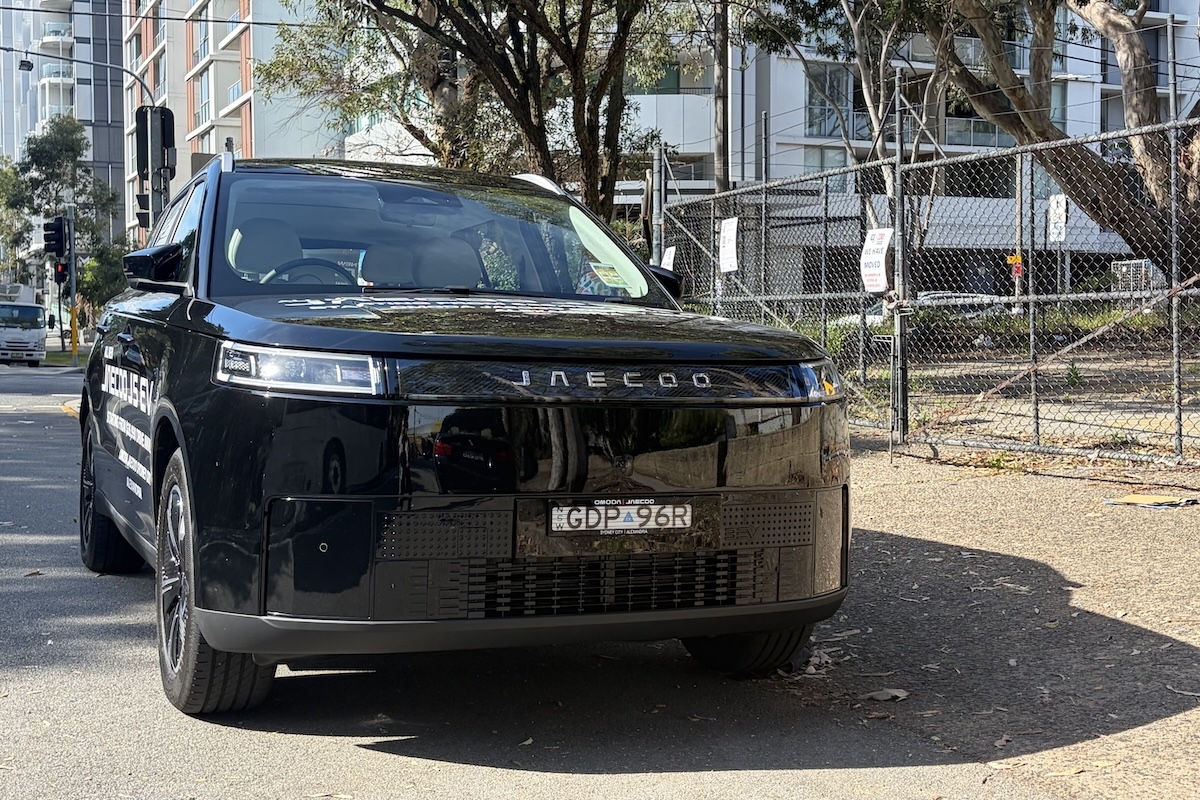
Jaecoo stormed onto the global automotive scene last year, even becoming a Top 10 brand…
Media post: The Science Behind Self-Healing Paint Protection Film
Quick Answer
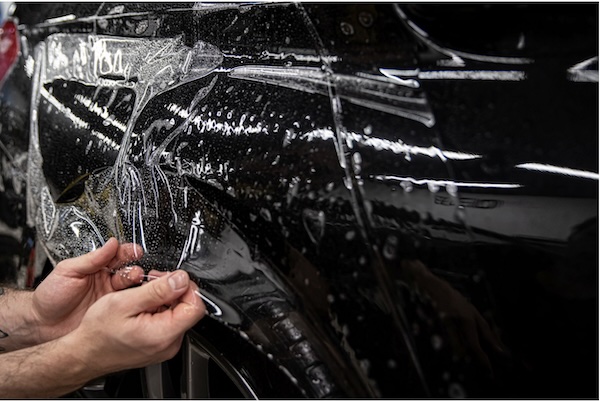
A rock chip that reaches primer or bare metal opens a corrosion path that widens through freeze and thaw cycles, and a single repainted panel often runs past $1,500 with no guaranteed colour match. Paint protection film absorbs that impact first, acting as a sacrificial layer over hoods, bumpers, fenders, and mirrors. Owners comparing ppf calgary options are weighing one install against repeated refinishing bills.
Introduction
Gravel trucks, winter sand, and highway shoulders full of loose aggregate put measurable damage on a front end within one season. Beneath the surface, chloride from road de-icer reaches exposed substrate, moisture wicks sideways under the surrounding coating, and the defect keeps growing after the stone is long gone. Anyone pricing paint protection film Calgary shops install is usually reacting to a hood that already tells that story.
Prep work decides the outcome more than the film brand does. Shops such as Force Auto Styling run decontamination and, where needed, single-stage correction before application, because film seals in whatever sits underneath. Edges get wrapped wherever panel geometry allows, which is where lifting and contamination begin.
What a Rock Chip Actually Costs Without Vehicle Paint Protection
Chip damage is graded by depth, and the grade decides whether the fix is a polish or a refinish.
Chip Depth Decides Everything That Follows
Automotive finishes are stacked systems: electrocoat primer over treated steel, colour base, then clear coat. A stone that scuffs only the clear coat leaves a mark that polishes out. One that punches through the primer exposes substrate, which is a different repair entirely.
Run a fingernail across the mark. If it catches, the damage has passed the base coat and the clock has started.
The Corrosion Path Most Guides Skip
Calgary winters combine sand, gravel, and chloride-based de-icer. Once brine reaches exposed metal, it draws moisture beneath the surrounding coating and lifts it outward from the chip edge.
Freeze and thaw cycling accelerates that spread, so a two-millimetre defect in November becomes a rusting halo by spring. Refinishing one panel commonly exceeds $1,500, and factory colour rarely matches on the first attempt.
Damage severity maps to outcome like this:
– Clear coat only: polish or wet sand, minimal cost, no corrosion risk
– Into base coat: touch-up needed, colour visible at the edge, moisture partly blocked
– Through primer: substrate exposed, corrosion begins, professional repair required
– Substrate with rust bloom: refinish or replacement, resale value affected
Film intercepts the first three grades by absorbing impact energy before it transfers to the finish.
Where the Money Leaves
Appraisers assess front-end condition first because it signals highway kilometres. Effective paint protection for cars costs less than two refinished sections, and it keeps the original factory layer intact underneath.
Trained removal returns the surface in the condition it was sealed in, a detail most owners miss when treating film as a cosmetic upgrade.
How Car Paint Film Is Built, Specified, and Installed
Specification follows impact exposure, and installation quality shows up at the edges.
Construction and Why Thickness Matters
Modern protective laminate is thermoplastic polyurethane, usually 150 to 200 microns thick, with an elastomeric topcoat over the impact layer. That topcoat lets light swirls soften under heat and fade.
The structural layer beneath spreads impact energy across a wider area, so a stone never concentrates force on one point of clear coat.
Coverage Mapping and Prep Sequence
Coverage is specified by strike zone rather than by budget. Bumpers, hood leading edges, fenders behind the front wheels, and mirror caps take the highest hit frequency, which is why partial front coverage delivers most of the protective return. Rocker sections and A-pillars follow on vehicles that see gravel roads.
In practice, a standard sequence runs:
- Inspection and defect mapping across every treated section
- Full decontamination of the surface
- Single-stage correction where flaws would otherwise be sealed under the laminate
- Precision application with edges wrapped wherever geometry allows
- Final inspection before release
Edges are the failure point, since material cut flush to a body line collects grit and lifts.
Comparing Protection Types
Owners often confuse two products that solve separate problems. The table sets them side by side:
Factor | Paint protection film | Ceramic coating |
Primary function | Absorbs physical impact | Repels contaminants chemically |
Rock chip resistance | Yes, sacrificial layer | No |
Self-healing | Yes, heat-activated | No |
Service life | 5 to 10 years | 2 to 5 years |
Best applied to | High-strike sections | Full body surfaces |
Taken together, many vehicles carry both, with the coating layered over the laminate for easier washing. Cost tracks coverage scope, so an affordable PPF installation Calgary drivers can justify usually starts with front-end zones and expands later.
Maintenance, Warranty Terms, and What PPF Packages Cover
Upkeep is routine; the warranty terms matter as much as the wash schedule.
Care Intervals That Preserve the Laminate
Fresh installs need roughly seven days before the first wash while adhesive cures. After that, maintenance is ordinary: pH-neutral soap, the two-bucket method, and no pressure washer held close to a seam. Abrasive polish removes the self-healing topcoat permanently, so it stays off treated surfaces.
Pro Tip: Inspect wrapped edges at every seasonal tire change. Lifting caught early can be re-bonded; lifting left through a winter usually means replacing that section.
What Coverage Tiers Typically Include
Published tiers generally scale by section count rather than by film grade, with the same laminate across every level. Entry-level coverage tends to include:
– Partial hood, partial fenders, and mirror caps
– Mid-tier adds full bumper, wrapped edges, and matching fender coverage
– Higher tiers extend to A-pillars, roofline, headlights, and fog lights
– Full coverage adds door sills, handle pockets, and luggage area protection
Grille and rocker protection price separately, since both take disproportionate abrasion on Calgary highways.
Removal, Warranty, and Resale
Quality laminate carries a manufacturer warranty against yellowing, cracking, and delamination, typically five to ten years. That warranty depends on documented professional installation, which is why receipts matter at resale.
Professional removal lifts the material with controlled heat and returns the finish to its sealed condition. An appraiser comparing an unmarked hood against a stone-blasted front end reaches a different number, and that gap usually exceeds the original install cost.
What Skipping PPF Costs Over a Vehicle’s Lifespan
Rock strikes are not optional on gravel-treated roads; the only variable is what absorbs them. A sacrificial laminate takes the hit and gets replaced. Factory finish takes the hit and gets refinished, at roughly $1,500 per section and with colour matching that never quite lands. Drivers weighing PPF Calgary quotes against future bodywork are choosing which of those two outcomes shows up at trade-in.

Related Posts


Comments (0)