
Jaecoo stormed onto the global automotive scene last year, even becoming a Top 10 brand…
Media post: Fewer Than Half of the World’s New Cars Now Run on Gasoline Alone
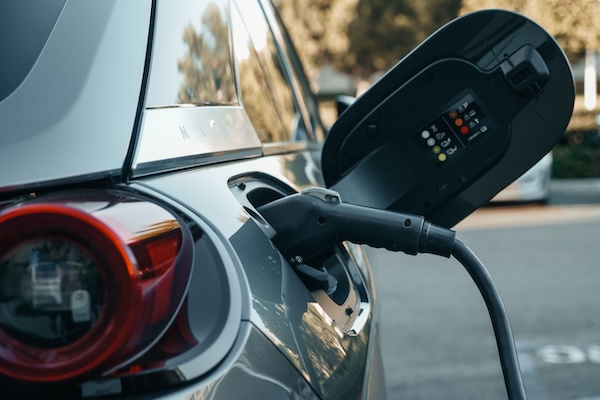
Cars that burn only gasoline no longer make up most of what the world buys. Mobility Global data put them at 49% of worldwide purchases of new cars between January and June 2026, and Nikkei flagged it as a record first. Hybrids and electrics soaked up the difference, helped along by a nasty spike at the fuel pump.
Gasoline Gave Up 24 Points in Under Five Years
In 2021, nearly three in four new cars ran on gasoline alone. By mid-2026 the share had slid to 49%, a drop of 24 points in under five years. Buyers took home about 20 million gasoline-only cars over those six months, roughly 2 million fewer than a year earlier, while the whole market lost around one car in twenty. Gasoline shed buyers at double the market’s pace.
Who took the slack? Hybrids led with about 7.3 million cars and an 18% share, after 10% growth. Pure electrics came next at roughly 6.9 million, a 17% slice that grew a little faster, at 12%. The leftover 16% belongs to diesel, plug-in models and assorted oddballs. About 400,000 cars separate the top two. Hardly a landslide.
Electric drivers do have one chore. A fast charger usually needs somewhere between 20 and 60 minutes to reach 80%, depending on the car and the plug. Plenty of drivers probably fill that wait on a phone, with a podcast or an online Ontario casino. Casino games fit a charging stop. A slot spin takes seconds, and so does a blackjack hand. Many slots have a demo mode, so just watch one run before you put money in. Open the account settings first and set a deposit limit and a time-out. The charger makes a decent clock.
Hybrid owners skip the queue, and Electrek’s tally has roughly five in six new cars still carrying an engine of some kind.
Fuel Prices Did the Pushing
Nikkei puts the blame on oil. A fresh bout of Middle East turmoil sent pump prices climbing, and drivers began hunting for cars that cost less to run. Not everyone landed in the same place, as Mobility Global’s regional numbers show.
– China’s gasoline-only sales fell by about a quarter, and a 3% dip in electrics still leaves it buying every second electric car sold worldwide.
– Europe lost 13% of its gasoline-only sales and gained about a third more electric ones, roughly 1.8 million cars.
– Southeast Asia grew electric sales by four fifths, to around 350,000 cars.
– Oceania’s electric sales passed double last year’s level, landing near 110,000 cars.
– North America moved against the tide, shedding 15% of its electric sales after some purchase incentives ended.
Europe also staged the tightest race. Through August, EU registrations of battery-electric cars edged past gasoline ones, 1.64 million to 1.63 million, according to ACEA, while gasoline registrations dropped nearly a fifth. That works out to a lead of about 6,600 cars. Rounding error, really.
America Picked Hybrids Over Plugs
American buyers took a different road. Federal tax credits shrank, and Cox Automotive pencils in just 239,000 EVs for the third quarter, about one sale in seventeen and nearly half fewer than a year ago, when shoppers hurried to beat the credit cutoff. That is a cliff. Hybrids stepped in with a record 16.3% share in the second quarter, up from 13.0%.
Trackers cut the data differently. Reuters had hybrids at 19% of the US market by August, up from 16% in February, while Cox pegged the second quarter at 16.3%. Neither number is wrong. They simply measure different windows. Toyota took nearly half of the hybrid segment, 49.2% in the first quarter, according to Cox.
GM boss Mary Barra called hybrids an interim solution in 2019. Seven years on, her company sells just three in the US, all Corvettes, priced from about $111,000. Its share of the American market slipped from 17.6% in the first half of 2025 to 16.8% this year, while Toyota’s edged up from 15.5% to 15.8%. Awkward.
What to Check Before You Sign
Shopping for a car this month? Run a few checks before the pen comes out. A July analysis put the hybrid premium at $1,500 to $3,000 over the gasoline version, with fuel savings covering it in two to five years. Treat those as typical ranges, because your own driving decides where you land.
- Count your yearly miles first, because mileage decides how fast a premium pays off.
- A map of fast chargers along your usual routes comes before any plug-in test drive.
- Real-world mileage figures come from owners, not brochures.
Gasoline-only still holds the biggest single slice at 49%. It just lost the majority.

Related Posts


Comments (0)