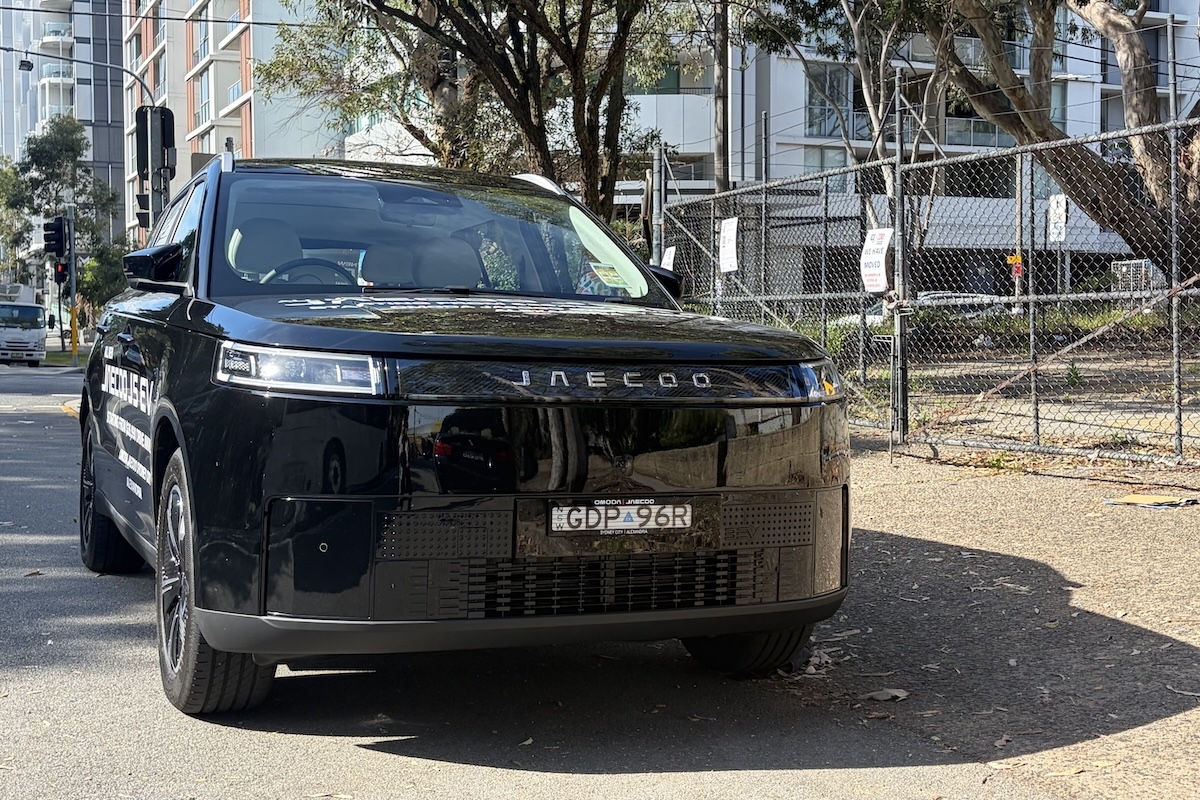
Jaecoo stormed onto the global automotive scene last year, even becoming a Top 10 brand…
Media post: What Today’s Car Buyers Should Expect from a Modern Dealership Experience

Today’s consumers entering a modern dealership anticipate more than just a transaction; they expect a personalized experience that balances efficiency with expert guidance.
Car buying has progressed considerably, with technology, customer expectations, and vehicle selection shaping the way dealerships operate. Today’s buyers look for convenience, clarity, and an environment where shopping for a new car is informative and stress-free.
Transparency in Pre-Owned Vehicle Purchases
When shopping for a pre-owned car, buyers prioritize transparency regarding vehicle history, pricing, and overall value. Detailed inspection reports, third-party certification, and clear ownership records help customers make confident choices.
Modern dealerships invest in these systems to establish trust and promote repeat visits. Transparency also reduces surprises and increases satisfaction during the buying process.
Flexible Financing Options
Financial considerations play a big part in car buying. Access to clear financing options allows consumers to preview budget limits and repayment terms.
Modern dealerships present multiple funding pathways, including traditional loans, credit union partnerships, and manufacturer programs.
Transparent explanations of monthly payments, interest rates, and loan durations help buyers make educated decisions without unnecessary stress.
Electric Vehicles and Emerging Technology
The rise of electric vehicles has reshaped expectations for dealership staff expertise. Buyers look for knowledgeable guidance on battery life, charging infrastructure, and long-term savings.
Dedicated EV sections and hands-on demonstrations allow customers to explore features and learn about incentives. Educating buyers about these vehicles reflects a dealership’s commitment to innovation and changing consumer demands.
Engaging Physical Showrooms
Comfortable, well-designed showrooms contribute to a desirable car buying experience. Spacious layouts, clear signage, and inviting waiting areas help buyers feel at ease. Amenities such as refreshments, digital kiosks, and interactive displays create a desirable environment.
A thoughtful physical space elevates the perception of professionalism while encouraging exploration and interaction with available models.
Personalized Customer Experiences
Personalization is expected in modern dealerships. Staff who recall previous visits, individual preferences, and vehicle interests boosts satisfaction. CRM systems help track interactions, allowing recommendations customized to each buyer.
Highlighting trim options, color choices, and features based on prior interest creates a sense of being valued and heard. Personalized attention strengthens loyalty and improves the overall buying journey.
Technology That Simplifies Shopping
Digital tools improve convenience and efficiency. Interactive screens, online inventory access, and scheduling platforms allow buyers to examine options independently. Comparing models, reading reviews, and evaluating pricing online reduce the need for lengthy in-person consultations.
Modern dealerships combine digital self-service with expert guidance to create a balanced and informative shopping experience.
Test Drives and Vehicle Demonstrations
Test drives remain an important expectation. Modern dealerships offer flexible scheduling and an expanded vehicle selection.
Some use virtual or augmented reality simulations to supplement physical trials, letting buyers experience features or driving conditions in a controlled environment. These approaches expand comprehension of performance, comfort, and technology.
Educating Buyers Beyond the Sale
Customer education is a growing focus. Staff explain features, maintenance, safety ratings, and warranties clearly. Workshops and informational materials support decision-making without pressure.
Modern dealerships strive to build trust through knowledge, transforming transactions into informed experiences. Educated buyers feel powerful and confident in their choices.
Post-Purchase Support and Service
After-sales support greatly shapes the modern dealership experience. Accessible service departments, loyalty programs, and maintenance reminders promote long-term customer satisfaction.
Buyers appreciate reliability and responsiveness, which strengthens relationships and encourages repeat business. A focus on post-purchase care reflects professionalism and commitment to customer needs.
Sustainability and Environmental Responsibility
Modern buyers increasingly value environmental practices. Dealerships highlight energy-efficient facilities, recycling programs, and electric vehicle incentives. Communicating sustainability efforts allow buyers to line up purchases with personal values and demonstrates social responsibility.
This transparency contributes to a positive perception of the dealership.
Community Involvement and Local Presence
Participation in local events, sponsorships, and collaborations demonstrates a dealership’s investment in the surrounding community. Shoppers respond positively to businesses that contribute beyond sales.
This kind of local involvement encourages trust and increases overall satisfaction, creating a more memorable buying experience.
Accessibility and Inclusive Design
Accessibility is imperative. Showrooms should provide clear signage, ample parking, and mobility accommodations. Inclusive design means that all buyers can explore vehicles comfortably and confidently.
Considering accessibility reflects awareness of diverse consumer needs and heightens the professionalism of the dealership.
Digital and Mobile Tools
Modern dealerships extend their presence online through mobile apps, chat support, and service booking platforms. Buyers can access inventory, calculate financing, or estimate trade-in values before visiting.
These tools provide flexibility and convenience, allowing shoppers to visit with the dealership on their own schedule.
Staff Expertise and Ongoing Training
Knowledgeable staff define the modern dealership experience. Regular training makes sure employees stay informed about new technology, safety features, and market trends.
Well-prepared staff answer questions confidently, helping buyers make smart decisions without feeling pressured. Expertise signals professionalism and boosts trust.
Safety and Cleanliness Standards
Safety and hygiene influence buyer confidence. Showrooms maintain high levels of cleanliness, and vehicles for test drives are sanitized consistently. Visible attention to these details reassures customers and reflects the dealership’s commitment to care and professionalism.
Flexible Scheduling and Customer Convenience
Dealerships accommodate busy lifestyles with extended hours, weekend availability, and appointment-only consultations. Flexible scheduling allows buyers to explore options at convenient times, reducing friction in the buying process and reaching a wider audience.
Convenience remains a central expectation in the modern car buying experience.
Transparent Pricing and Communication
Clear and accurate information about pricing, promotions, and vehicle availability builds credibility. Buyers expect consistency across marketing channels and transparent communication about deals and incentives.
A commitment to honesty strengthens trust and reinforces a professional reputation.
What Today’s Buyers Can Expect
Today’s car buyers have high expectations for a modern dealership experience. They want knowledgeable staff, clear financing options, personalized attention, and accessible technology.
Comfortable showrooms, transparent pricing, and educational resources all contribute to a positive journey. Dealerships that embrace innovation, sustainability, and community engagement create long-term relationships and elevate the standard of automotive retail.
Shoppers visiting a modern dealership can expect personable guidance, detailed information on electric vehicles, and support when shopping for a new or pre-owned car. Every interaction is designed to inform, build confidence, and make the experience both enjoyable and efficient.
A modern dealership represents a shift from transaction-focused sales to a fully customer-centric approach. This transformation reflects changing consumer expectations, advances in technology, and greater attention to convenience, transparency, and personalization.
Buyers leave feeling informed, valued, and prepared for their purchase decisions.

Related Posts


Comments (0)