
Jaecoo stormed onto the global automotive scene last year, even becoming a Top 10 brand…
Media post: Car Wrap Chicago: Choosing Between PPF and Vinyl Wrap
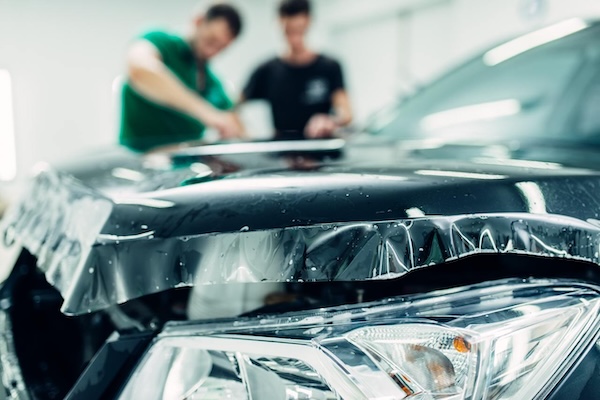
Chicago roads test your car’s paint year-round, from winter road salt to construction debris and summer sun. When choosing between PPF and a vinyl wrap, it comes down to your main goal: protecting the original paint or giving your car a new look.
The Core Difference: Armor vs. Aesthetics
These two products are often confused, but they in fact have entirely different functions. PPF is a thick, transparent thermoplastic urethane (TPU) film (typically 8 mils thick) which is designed to absorb the impact of rocks, road debris and scratches. This sacrificial layer protects your factory finish, even if it’s almost invisible. Premium PPF also has the self-healing property, and minor swirls and scratches disappear when exposed to the heat of the sun or warm water.
Vinyl wrap is a thinner (3-4mil) polyvinyl chloride (PVC) film, designed for customization. It’s the solution if you’re after a matte finish, a colour shift or a completely different colour without having to repaint. It will cover the paint and provide some level of UV protection, but it’s not designed to stop rock chips at all. A gravel strike that PPF would absorb would simply tear through the vinyl and damage the paint underneath.
Performance in the Chicago Climate
Chicago’s driving conditions make these differences especially important. For impact protection, PPF is by far the winner. It’s made from TPU, which is quite elastic and memory-rich, so it can absorb the energy that would otherwise chip your clear coat. If you regularly drive on the Kennedy or Dan Ryan expressways, then a partial front PPF (bumper, hood, mirrors, fenders) is a very sensible thing to do, as it protects the bits that are most at risk.
Vinyl wrap provides cosmetic protection. It will protect your factory paint from UV fading and light surface scuffs whilst it’s on the car, but it will not protect against physical damage from debris. It’s best suited to show cars or lease vehicles where you just want a temporary colour change.
Longevity and Cost Considerations
A high-quality vinyl wrap can last 3 to 7 years (that will obviously vary depending on the level of sun exposure and the level of maintenance). PPF will generally outlast the vinyl, as premium films often last from 7 to 10 years. Neither of the two is permanent in the true sense of the word. Both can be removed without damaging the factory paint if installed correctly, but PPF is designed for long-term protection, and vinyl is frequently used as a temporary styling solution.
Financially, vinyl has the lower entry point. A full vehicle wrap is likely in the $2,500-$5,000 range, and a full-body PPF can be $5k-$10k or more. That said, PPF does have the better cost per year if you’re looking at preserving your resale value, particularly on a high-end vehicle where paint repair is going to be very expensive.
Conclusion
If you want to keep your car’s original paint and protect it from Chicago’s road debris, clear PPF is your best bet. If you’re looking for a new color or a custom style but want to avoid the higher cost of full PPF, vinyl wrap is a good choice. For those who need both, there’s also color PPF, which gives you some color change along with the chip protection and self-healing features of regular PPF. The color options aren’t as wide as vinyl, but you still get a tough, painted look. No matter which option you choose, make sure to get it installed professionally and prep the surface properly for a clean, long-lasting finish.

Related Posts

Comments (0)