
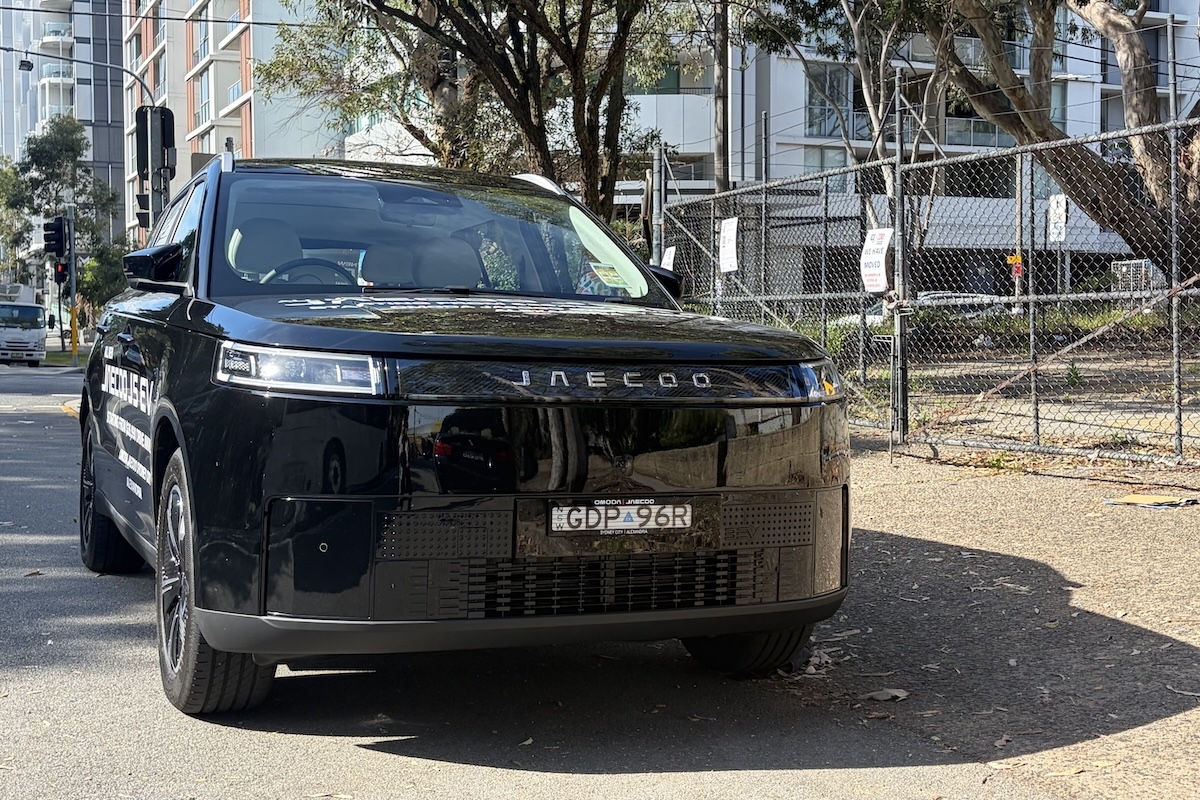
Jaecoo stormed onto the global automotive scene last year, even becoming a Top 10 brand…
Media post: What Drivers Should Do Immediately After A Highway Breakdown

What to do after a highway breakdown becomes a pressing concern the moment a vehicle loses power or becomes unsafe on a busy roadway. Quick, steady decisions help reduce danger while restoring control of the situation.
Modern roadside assistance often connects drivers to towing companies that handle vehicle recovery and transport in a structured way, helping reduce exposure on high-speed roads.
A reliable towing company becomes an important resource when a breakdown interrupts travel, especially in areas with heavy traffic flow or limited roadside space.
Immediate Safety Actions on the Highway
Drivers should only contact a towing service once the vehicle and occupants are safely away from moving traffic.
The first step after a breakdown is maintaining visibility. Hazard lights should be activated right away to alert approaching drivers. Occupants should remain inside the vehicle if it is positioned away from active lanes, since exiting near traffic increases risk.
A controlled assessment of surroundings follows. Drivers should observe oncoming traffic speed, shoulder width, and available pull off space. Calm decision-making matters more than speed in these moments.
Towing service reviews can later help identify dependable assistance options, but immediate attention must stay on safety and location rather than comparison research during the incident itself.
If the vehicle is in a live lane and cannot be moved, staying belted inside while signaling distress is often safer than attempting to push or exit into traffic. Visibility remains a priority until help arrives.
Moving the Vehicle and Establishing a Safe Zone
Once control is regained, the vehicle should be moved to the far right shoulder or a designated emergency lane. This reduces exposure to passing traffic and creates space for recovery assistance.
Steering input should remain smooth and deliberate. Sudden movements or abrupt braking can create additional hazards when other drivers are reacting to the situation.
After stopping, wheels should be turned slightly away from traffic where possible. This small adjustment helps reduce risk if the vehicle is struck from behind.
Occupants should position themselves away from the roadway side of the vehicle when safe to exit. Remaining behind protective barriers or at a distance from traffic flow is preferred while waiting for help.
Warning devices such as reflective triangles or flares may be used if available and conditions allow. These tools increase visibility, especially during low light or poor weather conditions.
Visibility and Roadside Awareness in Changing Conditions
Lighting and weather conditions can shift quickly on highways, affecting how visible a disabled vehicle appears to passing traffic. Headlights, hazard lights, and reflective elements should remain active whenever possible.
Staying positioned away from active lanes reduces exposure during low visibility periods. Awareness of approaching vehicles is important even while waiting, since speed variations and blind spots can increase risk near stopped roadside vehicles.
Assessing Vehicle Condition and Immediate Risks
After reaching a safer position, a brief assessment helps determine whether the issue is mechanical, electrical, or fuel related. Smoke, fluid leaks, or unusual sounds indicate a higher level of urgency.
Attempting repairs on a highway shoulder is rarely safe. Limited space and passing vehicles create hazards that outweigh the benefit of quick fixes.
Engine overheating, tire failure, or electrical shutdowns often require professional transport rather than roadside repair. In such cases, waiting for trained assistance becomes the safest course of action.
Communication with roadside support should focus on location accuracy, vehicle condition, and any visible safety concerns. Clear details help reduce response delays.
When Professional Help Becomes Necessary
Highway breakdowns often require structured recovery rather than improvised solutions. This is where towing company services become relevant, especially when the vehicle cannot safely return to operation.
Mechanical failures that involve transmission loss, engine failure, or collision damage typically prevent safe driving. In these situations, continued operation can increase repair costs and safety risks.
Severe tire damage or multiple system failures also limit mobility. Even short distance driving may worsen the condition or create additional hazards for other road users.
Roadside recovery professionals are trained to handle traffic exposure, vehicle loading, and secure transport. Their involvement reduces time spent in vulnerable roadside positions.
Choosing Assistance and Evaluating Reliability
Selecting a reliable towing company is important when multiple service options are available. Response time, equipment type, and service coverage all affect the outcome of a recovery situation.
Past towing service reviews can provide insight into service consistency, professionalism, and response reliability. Patterns in feedback often reveal how companies handle urgent roadside conditions.
Availability also matters. Highway breakdowns rarely happen at convenient times, so 24-hour coverage and regional reach become important considerations.
Proper equipment such as flatbed transport or wheel lift systems allows safer handling of disabled vehicles. This reduces the chance of further damage during loading and transit.
Clear communication before arrival helps set expectations regarding timing, location confirmation, and vehicle condition assessment.
Communicating and Requesting Roadside Support
When initiating assistance, location accuracy is the most important detail. Mile markers, exit numbers, or nearby landmarks help responders locate the vehicle quickly.
Vehicle description should include make, model, color, and visible condition issues. This reduces confusion during dispatch and improves response efficiency.
Staying reachable by phone is important until assistance arrives. Signal interruptions can occur on highways, so repeated attempts may be necessary if contact is lost.
If multiple passengers are present, maintaining group awareness and staying together in a safe area improves overall security while waiting.
What Happens After Help Arrives?
Once roadside assistance arrives, the vehicle is typically inspected before loading. This step helps guarantee correct handling based on damage type and drivability status.
Transport methods depend on the condition of the vehicle. Some vehicles require full lift transport, while others may be safely winched onto a carrier.
During loading, occupants are generally advised to remain clear of equipment operation zones. This reduces exposure to moving machinery and traffic.
After secure loading, transport proceeds to a repair location or designated destination. Documentation of the vehicle condition may be provided for reference.
What Matters Most After a Highway Breakdown
Highway breakdowns require structured actions focused on safety, positioning, and timely assistance. Calm decisions reduce exposure to traffic risk while improving recovery outcomes.
Knowing when to remain in the vehicle, when to move it, and when to wait for professional help shapes the entire response process. Proper awareness of roadside conditions supports safer travel experiences and faster resolution during unexpected vehicle failures.

Related Posts


Comments (0)