
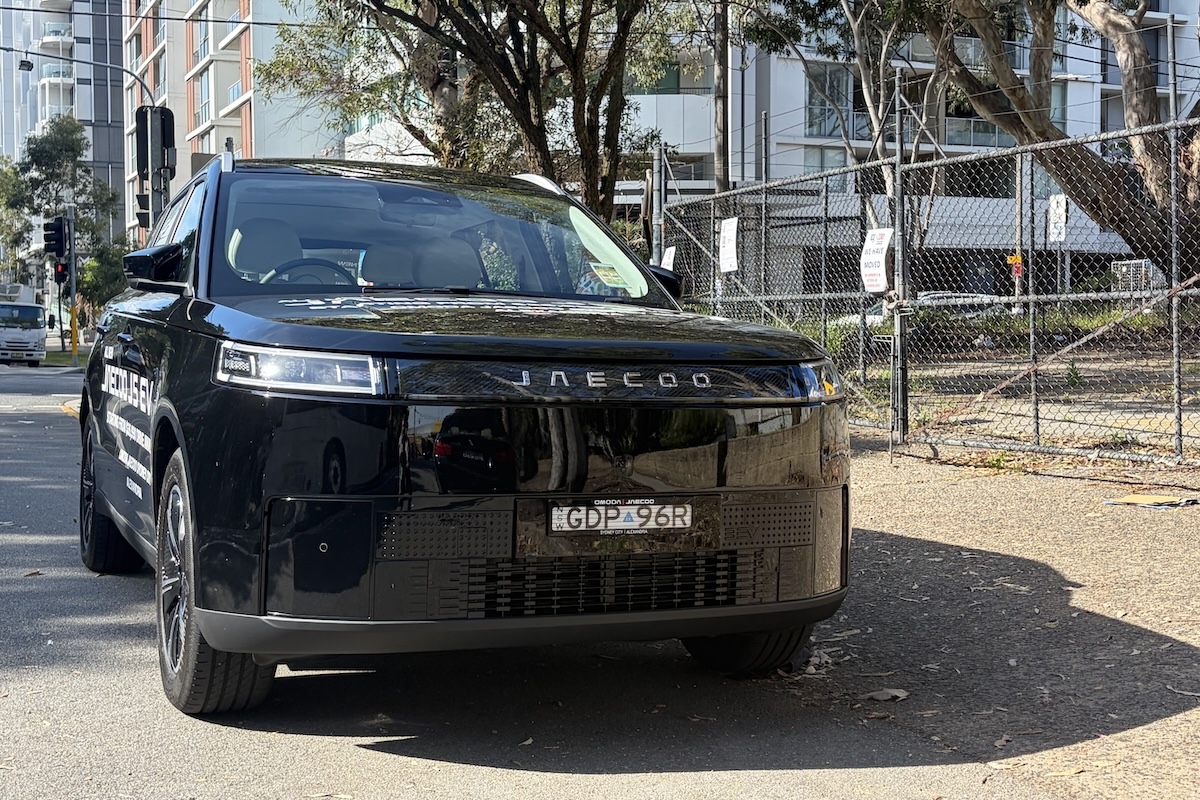
Jaecoo stormed onto the global automotive scene last year, even becoming a Top 10 brand…
Media post: A Beginner’s Guide to Body Kits: What to Expect When Choosing Maxton Upgrades

If you have never modified a car before, the world of body kits can look intimidating. There are splitters, skirts, diffusers, spoilers, different materials, different finishes, and a lot of photos of cars that look nothing like yours. The good news is that modern styling parts are far more approachable than the full-bumper kits of the past. Most of them add to the bodywork you already have rather than replacing it, which makes them easier to fit and easier to live with. Here is what a first-time buyer should know.
What a body kit means today
In the past, a body kit usually meant replacing entire bumpers and fitting wide arches. Today, most kits are made up of add-on parts that attach to the existing bodywork. A front splitter sits under the front bumper and makes the car look lower and wider. Side skirts run along the sills and connect the front of the car to the rear. A rear diffuser fills the space under the rear bumper, and a spoiler extension sharpens the trunk or tailgate line. You can buy these parts as a matched set or one at a time.
Start with one part
Most beginners start with a front splitter. It is the part that changes a car’s look the most, it is usually the simplest to fit, and it lets you see how you feel about a lower, sharper front end before committing to more. Side skirts are a natural second step, followed by a rear diffuser or spoiler to balance the rear. Building gradually also spreads the cost and the fitting work over time.
Fitment is the most important decision
This is where beginners most often go wrong. Styling parts are made for a specific bumper, sill or trunk lid, so “fits a Golf” or “fits a 3 Series” is never enough information. Before you order, confirm three things about your car.
First, the generation. A Mk7 Golf and a Mk8 Golf share a name but very little else. Second, whether your car is a pre-facelift or facelift version, because mid-life updates often change the bumpers. Third, the trim level. Sporty trims such as M Sport, S line, R-Line or ST usually have their own bumpers, and a splitter made for one bumper will not fit the other.
Read the fitment notes on each listing as carefully as the product title. If anything is unclear, ask before you buy. A five-minute question is far easier than returning a part that does not fit.
Materials and finishes
Most styling parts for everyday cars are made from ABS plastic. It is tough, lightweight, handles changes in temperature well and has a little flex, which helps when it meets a speed bump. Gloss black is the most popular finish because it matches the black trim already found on many modern cars and works with almost any paint color. Textured black and carbon-look finishes are also common.
Carbon fiber parts sit in a different tier. They are lighter, they show the weave of the material, and they suit builds that already use carbon details. They also cost more and may be sold on different return terms, so check the conditions before ordering. Neither material is the right answer for everyone; it depends on the look you want and the rest of the car.
What fitting really involves
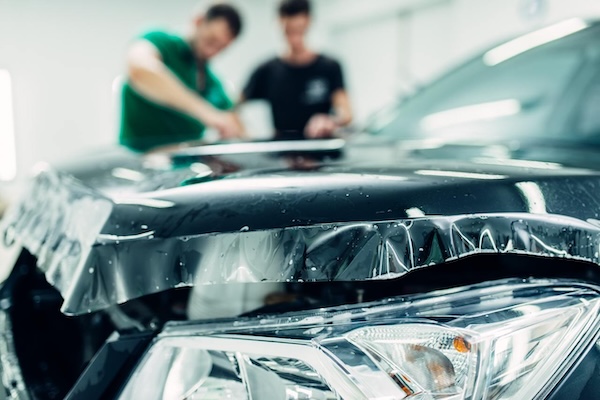
Fitting methods vary from part to part. Some parts attach with high-strength automotive tape, some with screws into existing points, and many need a few holes drilled. The listing or fitting instructions should tell you which method applies before you buy, so you know whether it is a driveway job or one for a professional.
If you fit parts yourself, take your time. Dry-fit everything first without removing the tape backing, mark the position with masking tape, clean and degrease the surface thoroughly, and work in warm, dry conditions. If you are not confident, a local body shop or detailer can fit most styling parts quickly and will make sure everything lines up.
Practical things to consider
A front splitter lowers the front of the car, so think about steep driveways, parking curbs and speed bumps you use every day. If your car is already lowered, check the clearance carefully. It is also worth thinking about whether you want the parts to be easily removable later, for example if you plan to sell the car.
Be realistic about performance
Styling parts are often described with talk of downforce and stability. On a road car driven at legal speeds, the real benefit is visual, with only a modest effect on airflow. That is not a criticism. Most people fit a body kit because of how it makes their car look, and that is a perfectly good reason.
Where Maxton fits in
Maxton Design is a styling brand based in Poland, where its parts are designed and manufactured. It is best known for add-on splitters, side skirts, diffusers and spoiler extensions made for specific models and generations. In Britain the range is sold through Maxton Design UK, the authorized UK dealer, which handles sales, fitment questions and delivery. For a beginner, that structure is useful: listings are organized by make, model and generation, and there is a team to ask when a listing does not answer your question.
A beginner’s checklist
Confirm your car’s generation, facelift status and trim level. Decide which part to start with. Choose a material and finish that suits the rest of the car. Check the fitting method and return terms on the listing. Think about ground clearance. Then ask any remaining questions before you order. Following those steps is the easiest way to make your first upgrade a good one.

Related Posts

Comments (0)