
Few things are more satisfying than diagnosing and fixing a motorcycle problem yourself. A properly…
Media post: Race Day Traffic and Road Accidents: The Most Dangerous Times to Drive in Florida
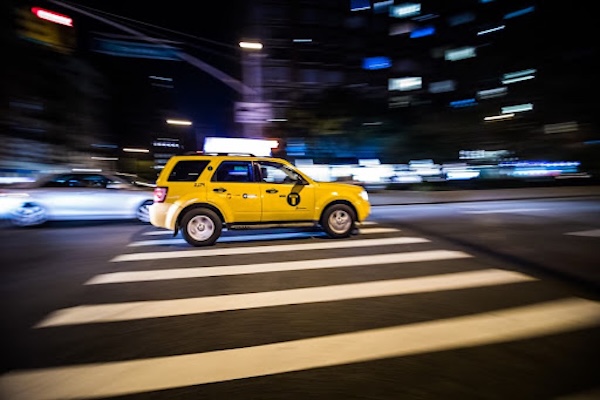
Florida is one of the premier racing states in the country. From the Daytona 500 to NASCAR events at Homestead-Miami Speedway, the state draws hundreds of thousands of motorsports fans every year, and with them comes an enormous surge in road traffic that most casual drivers aren’t prepared for.
Race weekends are exciting. They’re also among the most dangerous times to be behind the wheel anywhere in Florida. Understanding when and why accident risk spikes can help fans get home safely and help anyone injured on race weekend understand their legal rights.
Florida’s Racing Calendar Creates Predictable Traffic Crises
Florida hosts major motorsports events throughout the year. Daytona International Speedway alone draws crowds exceeding 100,000 for its signature events, including the Daytona 500 in February and the Coke Zero Sugar 400 in August. Homestead-Miami Speedway anchors the fall racing schedule. And road courses, regional events, and support-series races fill the calendar in between.
Each of these events generates a predictable traffic pattern: a gradual buildup as fans pour in the day before and the morning of the race, followed by a near-simultaneous mass exodus when the checkered flag drops. That post-race exodus, often 80,000 to 100,000 people trying to leave a concentrated area within a two-hour window, is when accident rates surge.
The Federal Highway Administration (FHWA) has documented how special event traffic generation creates non-recurring congestion that dramatically increases crash risk. Unlike normal rush-hour backups, event traffic is sudden, dense, and involves a high proportion of out-of-state drivers who are unfamiliar with local road networks.
The Three Most Dangerous Windows on Race Day
Not all race-day driving carries equal risk. Traffic safety patterns consistently show three windows where accident likelihood is highest:
Pre-race morning (3–5 hours before green flag): Fans streaming in from across the state and from neighboring states converge on limited highway corridors. In Central Florida, this means I-4 between Tampa and Daytona becomes a high-tension corridor well before the race begins. Drivers are often tired from early departures or overnight travel, increasing reaction time and error rates.
Immediately post-race (0–90 minutes after the race ends): This is statistically the highest-risk window. Traffic volume spikes instantly. Drivers who have spent hours in the sun, many of them having consumed alcohol, are now navigating congested arterials and on-ramps simultaneously. Impaired and fatigued drivers mix with frustrated locals trying to use the same roads.
Late-night return trips (3–6 hours post-race): Fans who waited out the initial exodus often end up driving home late at night, which introduces a different risk profile: drowsy driving and alcohol-impaired driving on darkened interstates with reduced visibility.
The National Highway Traffic Safety Administration (NHTSA) reports that drunk driving fatalities are significantly elevated on high-attendance event days, and large motorsports events correlate with increased DUI enforcement activity in host counties.
Why Florida Roads Amplify the Risk
Florida’s road infrastructure creates specific vulnerabilities around major motorsports venues. The US-1 and I-95 corridors near Daytona become clogged in ways that push traffic onto secondary roads where speed limits are inconsistent, and shoulders are narrow. Around Homestead, the Florida Turnpike and surrounding surface streets absorb the Speedway’s departing crowds through a network not designed for event-scale volumes.
Out-of-state drivers are a significant factor. Florida’s tourism-heavy motorsports events draw fans from Georgia, the Carolinas, Tennessee, and beyond, drivers who are unfamiliar with local interchange layouts, merge patterns, and the behavior of Florida’s roads. The Florida Department of Highway Safety and Motor Vehicles (FLHSMV) publishes annual crash data showing that crash rates in Volusia County (home of Daytona) and Miami-Dade County spike sharply during major event weekends.
For Tampa-area residents, the I-4 corridor is particularly hazardous during race weekend. Tampa sits roughly 90 miles from Daytona, making it a natural staging city for fans driving to the Speedway. Return traffic late on race day is a reliable producer of accidents across Hillsborough and Polk counties.
What to Do If You’re Injured in a Race-Weekend Crash
Florida’s no-fault insurance system means that after a crash, drivers must first file through their own Personal Injury Protection (PIP) coverage regardless of who caused the accident. PIP covers up to $10,000 in medical expenses and lost wages. But for victims of serious crashes, broken bones, traumatic brain injuries, or long-term disability, that coverage runs out quickly.
Florida law allows seriously injured victims to step outside the no-fault system and pursue a claim directly against the at-fault driver. On race weekends, that often means building a case involving impaired driving, fatigued driving, or negligence by an out-of-state motorist.
Car accident victims in the Tampa Bay area can benefit from consulting experienced and compassionate legal support who understand Florida’s no-fault laws, PIP thresholds, and how to prove fault, even if the at-fault driver has left the state.

Related Posts



Comments (0)